editors-note · September 15, 2026
A Note on Method: What We Print and What We Hold
The editor explains the rules behind every investigation in this quarterly: how many sources, how much time to reply, when a story waits, and what we do when we are wrong.
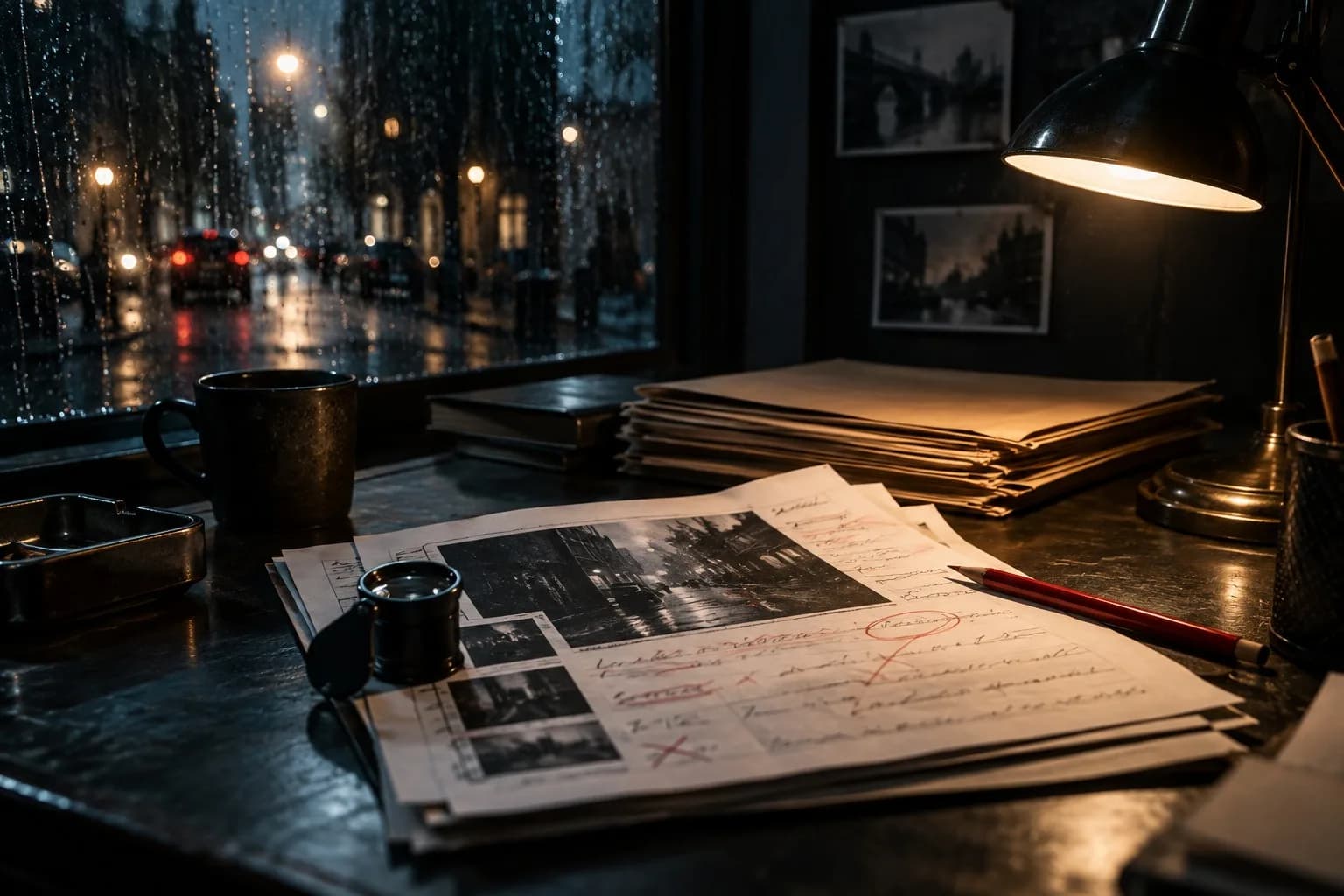
Readers write to ask how we decide. Not what we print, because that's visible, but what we leave on the desk. Here, plainly, is how it works. It isn't a manifesto. It is a checklist, and the checklist is the only reason anyone should believe the rest.
Two sources or one document
Nothing goes into a story on one person's word. We need two people who didn't hear it from each other, or one document that can be traced to a place and a date. A document with no origin counts for nothing, however good it looks. The better it looks, the more we ask where it's been.
Everyone named gets a call
Any person or office named in an accusation gets the accusation, in writing, with at least forty-eight hours to reply. We print what they say. If they decline, we say they declined and give the date we asked, so you can judge the silence for yourself.
We don't ambush. An ambush makes better television and worse journalism.
Anonymous sources
Only the editor knows who they are. The reporter can know too, but nobody else gets the name, not the lawyer, not the publisher, not the person at the next desk. We explain in the text why the source asked for anonymity, and what the source stands to lose. A reader should always be able to tell the difference between "a person who feared for their job" and "a person who wanted to settle a score".
What we hold
Some stories wait. If the evidence is good but the timing would hurt a person who has done nothing wrong, we hold it. If the central document is real but the explanation of it is a guess, we hold it. If a reporter is angry, we hold it until they aren't.
Holding is not killing. We keep a list of held stories, and the editor reads it aloud at the start of every planning meeting. That list is shorter than you'd think, and longer than the reporters like.
When we're wrong
We will be, now and then. A correction goes at the top of the piece, not the bottom, in the same size of type as the paragraph it fixes. It says what was wrong, what is right, and who found out. We don't quietly edit a story and hope no one noticed.
If a mistake was serious, it also goes in the next issue, on the page opposite the letters, where people actually look.
Why write it all down? Because trust isn't a mood. It is a set of habits that can be inspected. The records we request, the sources we protect and the stories we sit on all follow from the lines above, and you are entitled to hold us to them.
If you ever catch us breaking one, write to me. I'll answer, and the answer will be in print.
The Editor
Names, places and events in this demo are fictional.
No comments yet
Comments are open. Have a thought or a question? Share it below.